Introduction: Why Wuzhishan is Hainan's Hidden Photography Gem
When international travelers think of Hainan, they usually picture Sanya's beach resorts or Haikou's urban skyline. But head inland, about two hours southwest of Sanya, and you'll discover Wuzhishan (Five-Finger Mountain) — a misty, rainforest-covered city that feels like a different island altogether. In 2026, Wuzhishan is emerging as one of China's most rewarding photography destinations for travelers willing to trade sunbeds for cloud forests, rice terraces, and Li minority villages.
Wuzhishan is both a city and a mountain. The city (Wuzhishan City) sits in a lush valley at around 300 meters elevation, while the mountain itself — the highest peak in Hainan at 1,867 meters — towers above the surrounding Wuzhishan Nature Reserve. The result is a photographer's playground: dramatic cloud inversions at dawn, layered tea terraces, traditional Li and Miao villages, and tropical rainforest so dense it swallows the light.
This guide covers the best photo spots in Wuzhishan for 2026, with practical tips on timing, access, gear, and how to get Instagram-worthy shots without breaking any rules or disturbing local communities.
1. Wuzhishan Peak Summit: The Classic Cloud Sea Shot
The summit of Wuzhishan is the reason most photographers come. On clear mornings — especially between November and March — the valley below fills with a "sea of clouds" (yunhai) that turns the mountain into an island in the sky. It's the single most iconic image you can capture in Hainan.
Best time: Arrive at the trailhead by 4:30 AM to reach the summit before sunrise (around 6:00–6:30 AM in winter). The cloud sea is most reliable after a rainy evening followed by a clear, cool morning.
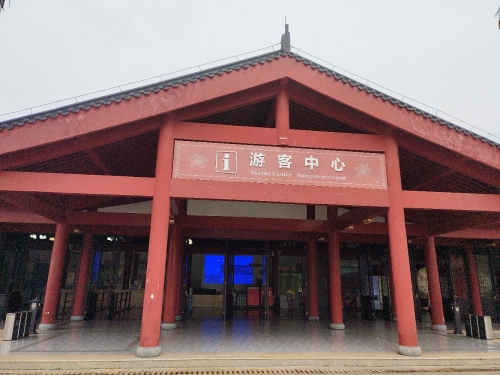
How to get there: The main trail starts near the Wuzhishan Nature Reserve entrance. The hike takes 3–5 hours round trip depending on your pace and fitness. In 2026, a shuttle service operates from the visitor center to the trailhead for a small fee — check locally for current schedules.
Gear tips: Bring a wide-angle lens (16–35mm equivalent) for the cloud sea and a telephoto (70–200mm) to compress the layers. A tripod is essential for low-light shots. Expect humidity near 100%, so carry microfiber cloths and a rain cover.
Instagram angle: Shoot vertically with the summit marker in the foreground and clouds filling the frame behind — this performs well on Instagram Reels and Stories.
2. Wuzhishan Tea Terraces: Layered Green Geometry
About 30 minutes from Wuzhishan city center, the Shuiman Township tea terraces produce some of Hainan's most famous green tea. The terraces curve across hillsides in perfect contour lines, creating natural leading lines that photographers love.
Best time: Early morning (7:00–9:00 AM) when mist still clings to the slopes, or late afternoon (4:30–6:00 PM) for golden side light. Avoid midday when the sun is harsh and flat.
What to shoot: Wide shots of the terrace patterns, close-ups of tea pickers' hands, and drone shots (where permitted) showing the geometric layers. Always ask permission before photographing workers.
Practical tip: The tea harvest in 2026 runs roughly from March to May and September to November. During harvest, you'll see pickers in colorful traditional hats — a fantastic cultural detail for your photos.
3. Li Minority Villages: Cultural Portraits and Architecture
Wuzhishan is home to some of the best-preserved Li minority villages in Hainan. Villages like Chubao and Fanshang offer authentic glimpses of traditional boat-shaped houses, weaving, and tattooed elders (though the latter generation is now very elderly — be respectful and never photograph without explicit consent).
Best spots: The Chubao Li Village area is the most accessible and photogenic, with wooden stilt houses, hanging textiles, and fruit trees framing every doorway.
Ethical photography: Always ask before shooting people. A simple smile and gesture toward your camera works. If someone says no, thank them and move on. Consider buying local handicrafts as a fair exchange.
Light: Overcast days are actually ideal here — soft light brings out the textures of wood, fabric, and skin without harsh shadows. Shoot in the morning when villagers are active.
4. Wuzhishan Nature Reserve Rainforest Trails: Moody Jungle Shots
The Wuzhishan Nature Reserve protects one of China's last remaining tropical mountain rainforests. The trails here — especially the one leading to the peak — pass waterfalls, giant ferns, and buttress-rooted trees draped in moss.
Best conditions: Rainy or just-after-rain days create the most atmospheric shots: mist between trees, water droplets on leaves, and saturated greens. Bring a waterproof bag for your camera.
What to shoot: Waterfall long exposures (use a neutral density filter and tripod), macro shots of insects and flowers, and wide shots of the canopy from below.
Tip: Leeches are present in wet months. Wear long pants and tuck them into socks. A little salt or insect repellent helps.
5. Wuzhishan City Riverside: Night Photography and Local Life
Back in Wuzhishan city, the Nansheng River runs through the center, lined with walking paths, bridges, and evening food stalls. It's a great place to capture everyday Hainan life — and the city's illuminated bridges make for solid night photography.
Best time: Blue hour (just after sunset) for balanced light between sky and city lights. The night market kicks off around 7:00 PM.
What to shoot: Reflections of lights on the water, street food vendors in action, and candid portraits of locals enjoying the evening.
Gear: A fast prime lens (35mm f/1.8 or 50mm f/1.8) is perfect for low-light street shots. Keep your ISO under 3200 if possible.
6. Shuiman Township and Surrounding Rice Paddies
The drive from Wuzhishan city to Shuiman is one of the most scenic in Hainan. Rolling hills, banana plantations, and terraced rice paddies create a patchwork of greens that changes with the seasons.
Best time: Planting season (May–June) gives you mirror-like flooded paddies. Harvest season (October–November) offers golden fields.
How to shoot: Pull over safely and use a telephoto to isolate patterns. A polarizing filter helps cut glare on water and deepens the sky.
Respect: These are working farms. Don't walk into fields without permission, and never damage crops for a shot.
7. Practical Tips for Photographers Visiting Wuzhishan in 2026
Getting there: Wuzhishan has no airport. Most travelers fly into Sanya Phoenix International Airport (SYX) or Haikou Meilan (HAK), then take a high-speed train to Wuzhishan Station (about 1 hour from Sanya, 1.5 hours from Haikou). From the station, taxis and ride-hailing apps connect you to the city and trailheads.
Best season: November to March offers cooler, drier weather and the best chance of cloud seas. Avoid July–September typhoon season if you're planning summit hikes.
What to pack: Rain jacket, quick-dry clothing, sturdy hiking shoes, insect repellent, sunscreen, power bank, and extra memory cards. A lightweight tripod is a must. For drone users, check current Chinese regulations — many nature reserves require permits.
Language: English is not widely spoken. Download a translation app and save key phrases in Chinese. Having your hotel name and destination written in Chinese characters helps with drivers.
Respect and etiquette: Always ask before photographing people, especially in minority villages. Don't fly drones over villages or sacred sites without permission. Follow Leave No Trace principles — pack out all trash.
Budget: Wuzhishan is affordable. Guesthouses run 150–400 RMB per night, meals 20–60 RMB, and taxi rides within the city 10–20 RMB. Nature reserve entrance fees are modest (around 50–100 RMB).
8. Suggested 3-Day Photography Itinerary
Day 1: Arrive in Wuzhishan, explore the city riverside at blue hour, and shoot the night market.
Day 2: Pre-dawn hike to Wuzhishan summit for the cloud sea. Rest in the afternoon, then shoot tea terraces at golden hour.
Day 3: Morning in a Li village, afternoon drive through Shuiman rice paddies, and evening departure or another night shoot in the city.
Conclusion: Capture Wuzhishan Before the Crowds Do
Wuzhishan in 2026 remains one of Hainan's most authentic and photogenic destinations — a place where cloud forests, tea terraces, and living Li culture combine into endlessly rewarding frames. Whether you're chasing the perfect cloud sea from the summit or documenting daily life along the Nansheng River, you'll leave with images that feel distinctly different from the usual tropical beach shots.
Pack your gear, respect the land and its people, and get ready to discover the Hainan that most travelers never see.