Why Qionghai Is Hainan's Most Underrated Photo Destination in 2026
Qionghai (琼海) sits on Hainan's eastern coast, roughly halfway between Haikou and Sanya. While most international travelers in 2026 head straight for Sanya's resort beaches or Haikou's urban skyline, Qionghai quietly offers something rarer: a mix of tropical river estuaries, coconut-lined fishing villages, colonial-era arcade streets, and a famous red-rock headland that photographers rarely have to fight crowds for. The city is the gateway to the Bo'ao Forum area, the mouth of the Wanquan River, and a string of historic towns like Tanmen and Zhongyuan. For photography lovers, that translates into mangrove sunrises, neon night markets, and traditional fishing boats that look like they belong in a documentary.
This guide covers the best photo spots in Qionghai, when to visit each one, what gear to bring, and the practical details — transport, tickets, and etiquette — that make a shoot run smoothly.
1. Bo'ao (博鳌) — River Meets Ocean at Sunrise
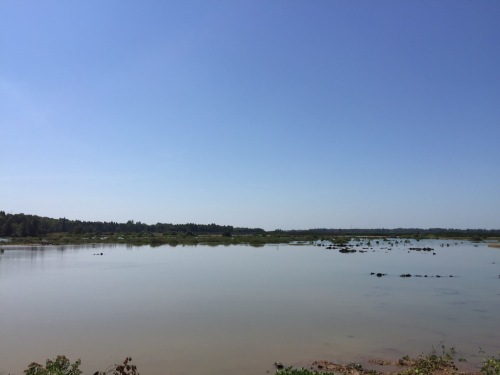
Bo'ao is Qionghai's most photogenic district, where the Wanquan River empties into the South China Sea. The narrow sandbar known as Yudai Tan (Jade Belt Beach) separates river from sea, and from the Bo'ao Forum viewpoint you can photograph both bodies of water in a single frame — a rare geography that reads beautifully in wide-angle shots.
Best time: Arrive 30–45 minutes before sunrise. In 2026, sunrise in Qionghai falls around 06:20–06:50 depending on the month. Morning light also brings out fishing boats heading out, giving you moving subjects against still water.
What to shoot: The river-mouth panorama from the elevated boardwalk, silhouettes of fishermen casting nets, and the modern Bo'ao Forum for Asia architecture if you want a contrast between traditional and contemporary Hainan.
Practical tips: The area is free to walk; some viewpoints require a short shuttle ride. Bring a polarizing filter to cut glare off the water, and a lightweight tripod if you plan long exposures of the estuary at blue hour.
2. Yudai Tan (Jade Belt Beach) — The Classic Qionghai Instagram Shot
Yudai Tan is the single most recognizable viewpoint in Qionghai and one of the most photographed spots on Hainan's east coast. A thin strip of sand divides the calm Wanquan River from the open sea, and on a clear day the color difference — jade green on one side, deep blue on the other — is striking.
Best time: Late afternoon into golden hour, roughly 16:30–18:30. The light softens, and the crowds thin out compared to midday tour groups.
What to shoot: Elevated drone shots of the sandbar (check local drone regulations first), couples walking the narrow path, and reflections on the river side when the wind drops.
Practical tips: Wear shoes you can get wet — the sandbar can flood at high tide. Check the tide table before you go; at peak high tide the "jade belt" effect disappears. There are small seafood stalls nearby if you want to shoot a local lunch scene.
3. Tanmen Fishing Port (潭门渔港) — Documentary-Style Harbor Photography
Tanmen is a working fishing port with a long history of South China Sea voyages. Unlike polished tourist harbors, Tanmen is functional and busy: wooden boats stacked with nets, fishermen repairing gear, and racks of dried fish hanging in the sun. It's a goldmine for street and documentary photography.
Best time: Early morning (05:30–08:00) when boats return and the market is active, or late afternoon when the light turns warm and workers prepare for the next trip.
What to shoot: Portraits of fishermen (always ask permission), close-ups of rope, net, and rust textures, wide shots of the harbor fleet, and the dried-seafood stalls for color and pattern.
Practical tips: Bring a fast prime lens like a 35mm or 50mm f/1.8 for low-light interiors and candid shots. Be respectful — this is a workplace, not a set. A small purchase at a stall often opens doors to friendlier photos.
4. Wanquan River (万泉河) — Mangroves, Bridges, and River Life
The Wanquan River is the lifeline of Qionghai and offers multiple photographic angles: mangrove forests, river cruises, and the bridges that cross it in the city center. The river is also famous in Chinese culture through the song "Wanquan River Turns Blue," which gives your captions a nice cultural hook.
Best time: Sunrise for mist over the mangroves, or just after rain when the river takes on a richer green.
What to shoot: Mangrove roots at low tide, river ferries, reflections of the city bridge at night, and long-exposure light trails from the riverside promenade.
Practical tips: A short river cruise (roughly 60–90 minutes) gives you water-level angles you can't get from shore. Bring a rain cover for your camera — tropical showers arrive fast.
5. Zhongyuan Old Town (中原镇) — Colonial Arcades and Vintage Streets
Zhongyuan is a small town in Qionghai known for its Southeast Asian-influenced arcade architecture, a legacy of overseas Chinese returning from Malaysia, Singapore, and Indonesia. The covered walkways, faded pastel facades, and old shop signs make it feel like a film set.
Best time: Mid-morning (09:00–11:00) when light slants into the arcades, or around 17:00 for warmer tones.
What to shoot: Symmetrical arcade corridors, doorways and shutters, old men playing chess, and street food stalls selling local snacks like jiabing (stuffed pancake).
Practical tips: This is a residential area — keep noise down and avoid blocking doorways. A 24–70mm zoom covers most shots here.
6. Guantang Hot Springs Area (官塘) — Tropical Garden and Spa Scenes
The Guantang area, at the foot of Baishi Ridge, is known for hot springs and lush greenery. It's less about dramatic landscapes and more about soft, atmospheric travel photography: steam rising off pools, palm shadows, and resort gardens.
Best time: Early morning when steam is most visible in cool air.
What to shoot: Steam and water details, tropical foliage, and lifestyle shots if you're staying at a resort.
Practical tips: Protect your camera from humidity — use silica gel packs and wipe your lens frequently. Many resorts allow photos in public areas but restrict them around other guests.
7. Baishi Ridge (白石岭) — Panoramic Views Over Qionghai
Baishi Ridge rises west of Qionghai and offers the best elevated viewpoint in the area. From the top you can photograph the patchwork of coconut groves, rivers, and distant coastline.
Best time: Clear mornings for maximum visibility, or late afternoon for golden light across the plains.
What to shoot: Wide panoramas, layered hills fading into haze, and rock formations along the trail.
Practical tips: Wear proper shoes — the trail is steep in places. Bring water; facilities are limited. A telephoto lens helps compress the layers of landscape.
8. Qionghai Night Markets — Neon, Steam, and Street Food
Qionghai's night markets are a sensory overload in the best way: sizzling woks, neon signs, and crowds of locals. For travel photographers, this is where you capture the city's energy.
Best time: 19:00–22:00.
What to shoot: Steam and smoke backlit by stall lights, hands preparing food, reflections on wet pavement after rain, and colorful signage.
Practical tips: Use a wide aperture (f/1.8–f/2.8) and raise your ISO — modern cameras handle 3200–6400 well. Ask before photographing vendors close-up; a smile and a purchase go a long way.
Best Time of Year to Photograph Qionghai in 2026
Qionghai has a tropical monsoon climate. The dry, cooler season from November to April is the most comfortable for shooting, with clearer skies and lower humidity. May to October is hotter and wetter, but the rain brings dramatic clouds and lush greenery. Typhoon season peaks around August–October — check forecasts and avoid coastal shoots during warnings.
For light: sunrise is roughly 06:00–07:00 and sunset 18:00–19:30 depending on the month. Golden hour in Qionghai is generous, and blue hour over the Wanquan River is especially photogenic.
Getting Around Qionghai for Photography
Qionghai has a high-speed rail station on the Hainan Eastern Loop line, making it easy to reach from Haikou (about 40–50 minutes) or Sanya (about 1.5 hours). Within the city, taxis and ride-hailing apps work well, but for sunrise shoots at Bo'ao or Tanmen you'll want to pre-book a driver or rent a car. Distances between spots are modest — most are within 20–40 minutes of each other — so you can cover three or four locations in a single day.
If you're shooting multiple sunrise and sunset sessions, staying overnight in Bo'ao or central Qionghai is more practical than day-tripping from Haikou.
Photography Gear and Etiquette Tips
Gear: A versatile zoom (24–70mm), a fast prime for low light, a polarizing filter, a lightweight tripod, and rain protection. A drone is great for Yudai Tan and the river mouth, but always check current regulations and no-fly zones around Bo'ao, which hosts official events.
Etiquette: Ask before photographing people, especially in fishing villages and markets. Avoid blocking traffic in narrow old-town streets. Don't enter private courtyards without permission. In temples and religious sites, dress modestly and follow posted rules.
Language: English is limited outside major hotels. A translation app and a few Mandarin phrases — nǐ hǎo (hello), xièxie (thank you), kěyǐ pāizhào ma? (may I take a photo?) — will help enormously.
Sample 2-Day Qionghai Photo Itinerary
Day 1: Sunrise at Bo'ao and Yudai Tan → mid-morning in Zhongyuan Old Town → afternoon rest → sunset at Baishi Ridge → night market in Qionghai city.
Day 2: Early morning at Tanmen Fishing Port → Wanquan River cruise and mangrove shots → afternoon at Guantang hot springs → blue-hour river bridge shots.
This route balances landscapes, street scenes, and culture, and keeps travel time low so you spend more time shooting.