Introduction: What Is Laobate?
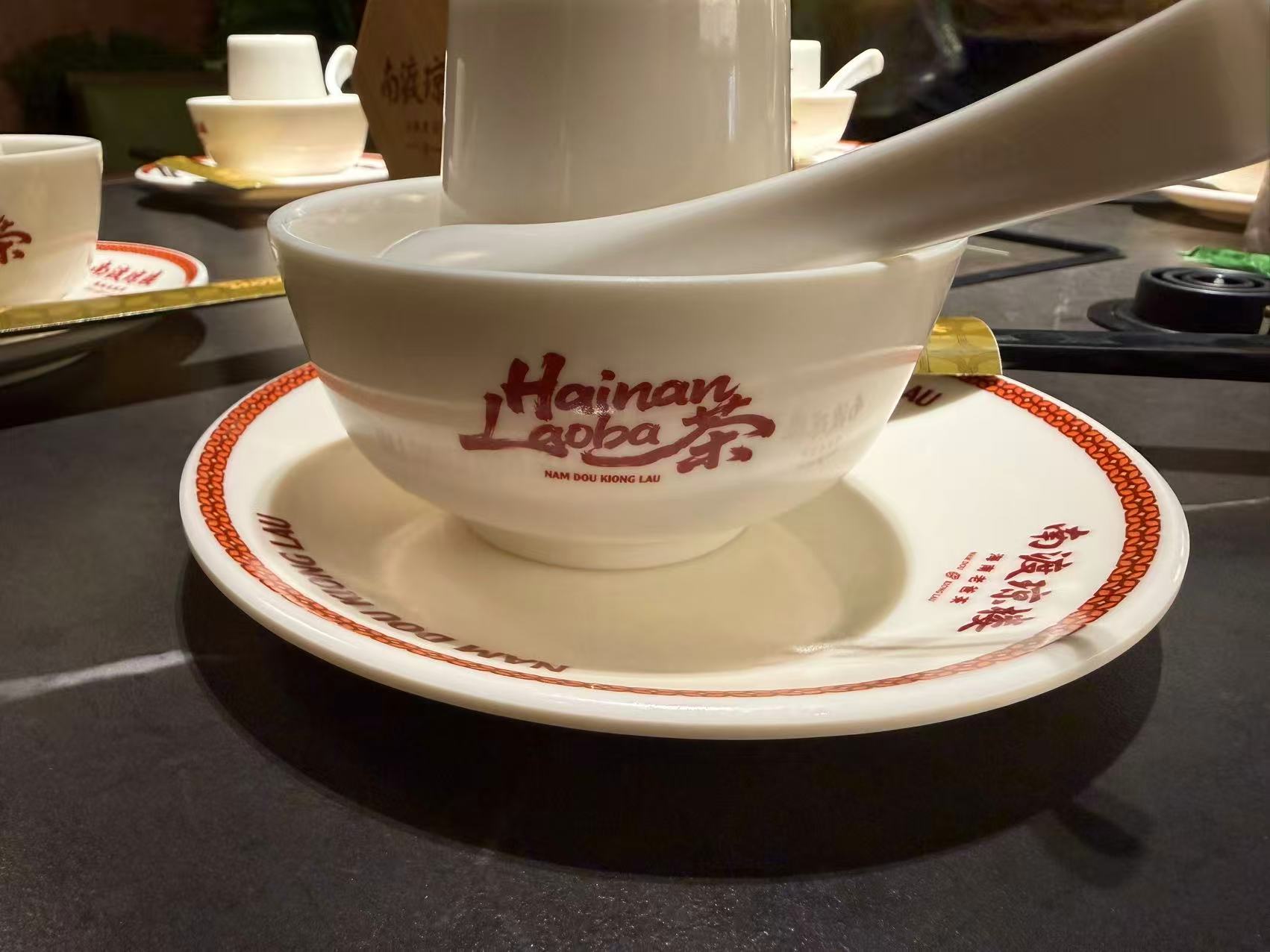
Hainan Laobate (老爸茶, literally “old man tea”) is far more than a cup of tea — it is Hainan Island’s most beloved social institution. Unlike the hurried coffee culture of modern cities, laobate is an unhurried afternoon ritual where locals commandeer a table, order a pot of tea, and let hours dissolve into conversation, snacks, and the gentle hum of a crowded room. At Nandou Qionglou (南渡琼楼·海南老爸茶), also branded as NAM DOU KIONG LAU, this tradition finds perhaps its most dedicated modern expression.
First Impressions
Approach Nandou Qionglou and you’re greeted by a storefront that doesn’t just announce itself — it narrates a story. Bold signage carries the twin slogans "Thousand miles of Nandu River, a hundred flavors of Qionglou" and simply, proudly, "FROM HAINAN." Inside, a dedicated brand culture wall traces the Nandu River — Hainan’s longest waterway — from its mountainous source to the sea, tying every pot of tea on your table to the island’s geography and heritage. The effect is immediate: you are not entering a teahouse; you are entering a living museum of Hainan taste.
Laobate Culture Explained
To understand laobate, think of England’s afternoon tea, crossed with Cantonese dim sum, stretched out over a languid tropical afternoon. The formula appears simple: a pot of tea, a table of snacks, and a willingness to sit. But the ritual runs deeper. In Hainan’s humid heat, the afternoon is the natural hour to pause. Friends meet, families gather, and matters great and small are discussed over clinking porcelain cups. The tea is not the star so much as the excuse — the true ingredient is time itself.
At Nandou Qionglou, this culture is treated with the seriousness it deserves. Staff move with practiced ease through the room, topping up hot water before you ask. The clatter of trays and the low murmur of conversation provide the soundtrack. Nobody rushes you. In fact, rushing would be a breach of etiquette.
Signature Experience
Order like a local: start with a pot of Hainan black tea, dark and lightly smoky, served with sweetened condensed milk on the side — a Hainan habit inherited from the island’s coffee culture. Then build a spread from the bamboo steamers and trays that circulate constantly: egg tarts with flaky golden shells; steamed pork buns with glossy, sweet exteriors; rice rolls slicked with soy-based sauce; and the ever-present youtiao, fried to a shattering crisp, perfect for dipping.
For something more substantial, look for local specialties like yibua — chewy glutinous rice cakes stuffed with coconut and peanut — or Hainan’s iconic chicken pastries. Pair these with a chilled glass of fresh